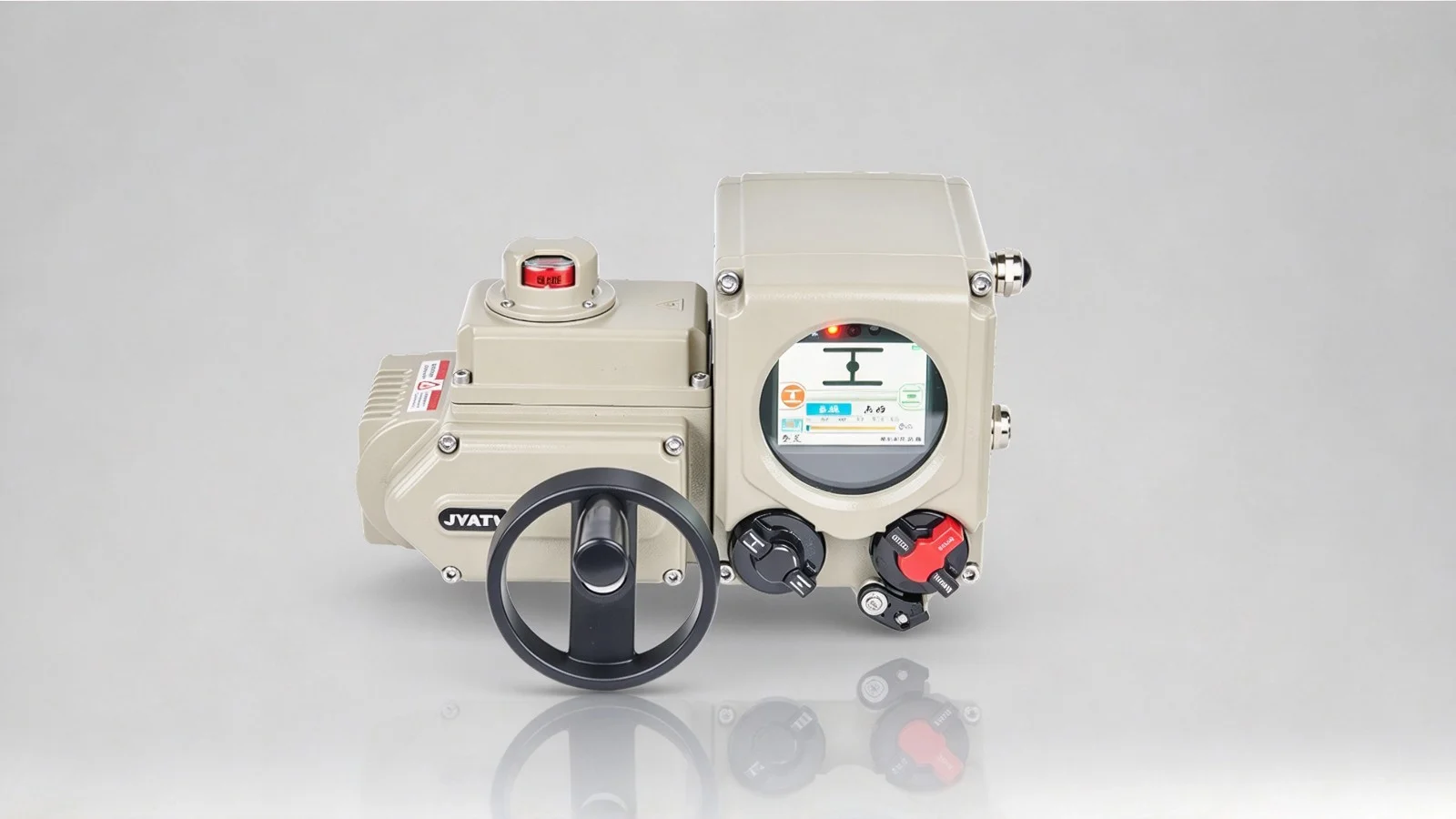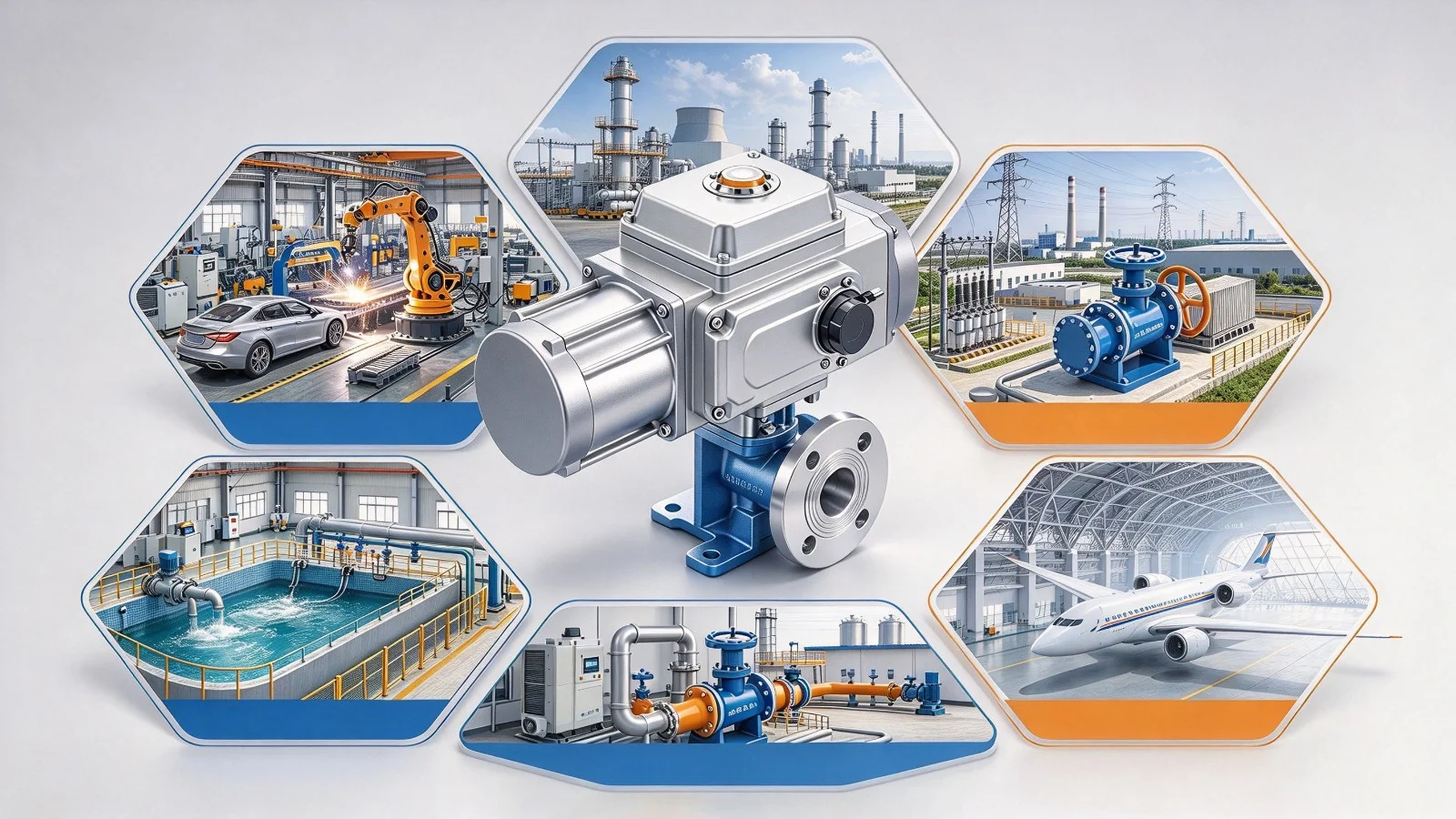
The following environmental factors should be considered when selecting pneumatic or electric actuators:
Operating temperature
Pneumatic actuators commonly operate across a broad temperature range, often around -20 to 80 degrees C, depending on the design. At low temperatures, moisture in compressed air can freeze and affect operation; drying and insulation may be required.
Electric actuators commonly have operating ranges around -20 to 60 degrees C, depending on the model. High temperatures can overheat the motor and reduce efficiency and service life, requiring a suitable motor or heat-dissipation measures. Low-temperature starting performance must also be considered, and heating may be required. Use the selected model's specifications for actual limits.
Humidity and corrosion
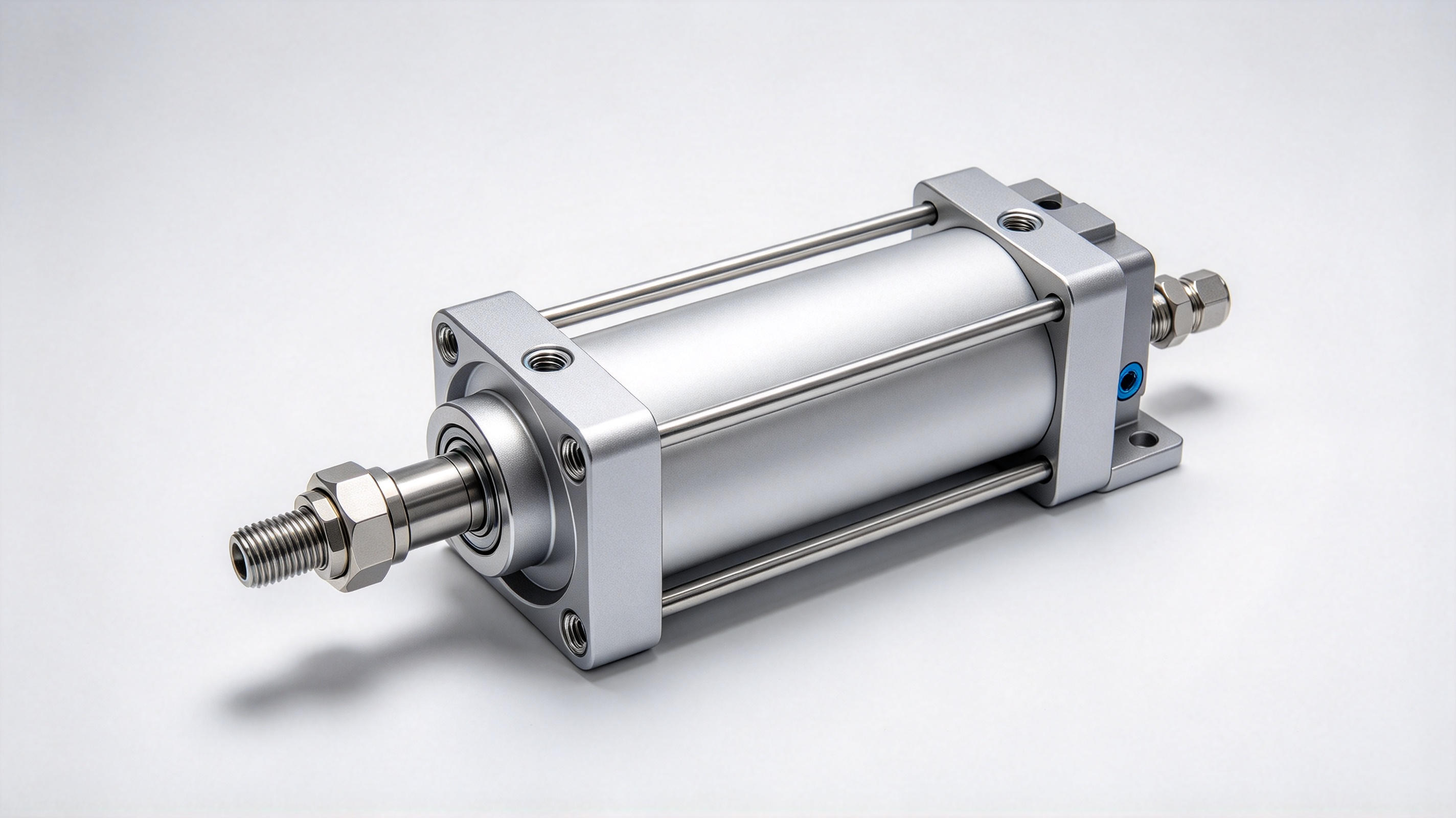
Moisture or corrosive gases in compressed air can corrode pneumatic actuator internals and affect performance and service life. Drying and filtration of the air supply and appropriate surface protection should be considered in humid or corrosive environments.
Electrical components are sensitive to moisture and corrosion. Select suitable enclosure protection and sealing for humid environments, and appropriate housings and coatings for corrosive conditions to protect the motor and electronic components.
Explosion-protection requirements
A pneumatic actuator does not itself generate electrical switching sparks, but accessories such as solenoid valves can introduce ignition risks. In hazardous areas, assess the complete pneumatic system and select components with the required protection and certification.
An ordinary electric actuator can introduce electrical or hot-surface ignition risks. Hazardous-area applications require an appropriately certified configuration matching the area classification and application. Protection concepts such as flameproof, increased safety or intrinsic safety apply only to the equipment and configuration identified in the relevant certificate.
Dust and contamination
Dust and contaminants can enter pneumatic components, wear seals and cause sticking. Provide suitable air-inlet filtration and maintain and clean the actuator according to its instructions.
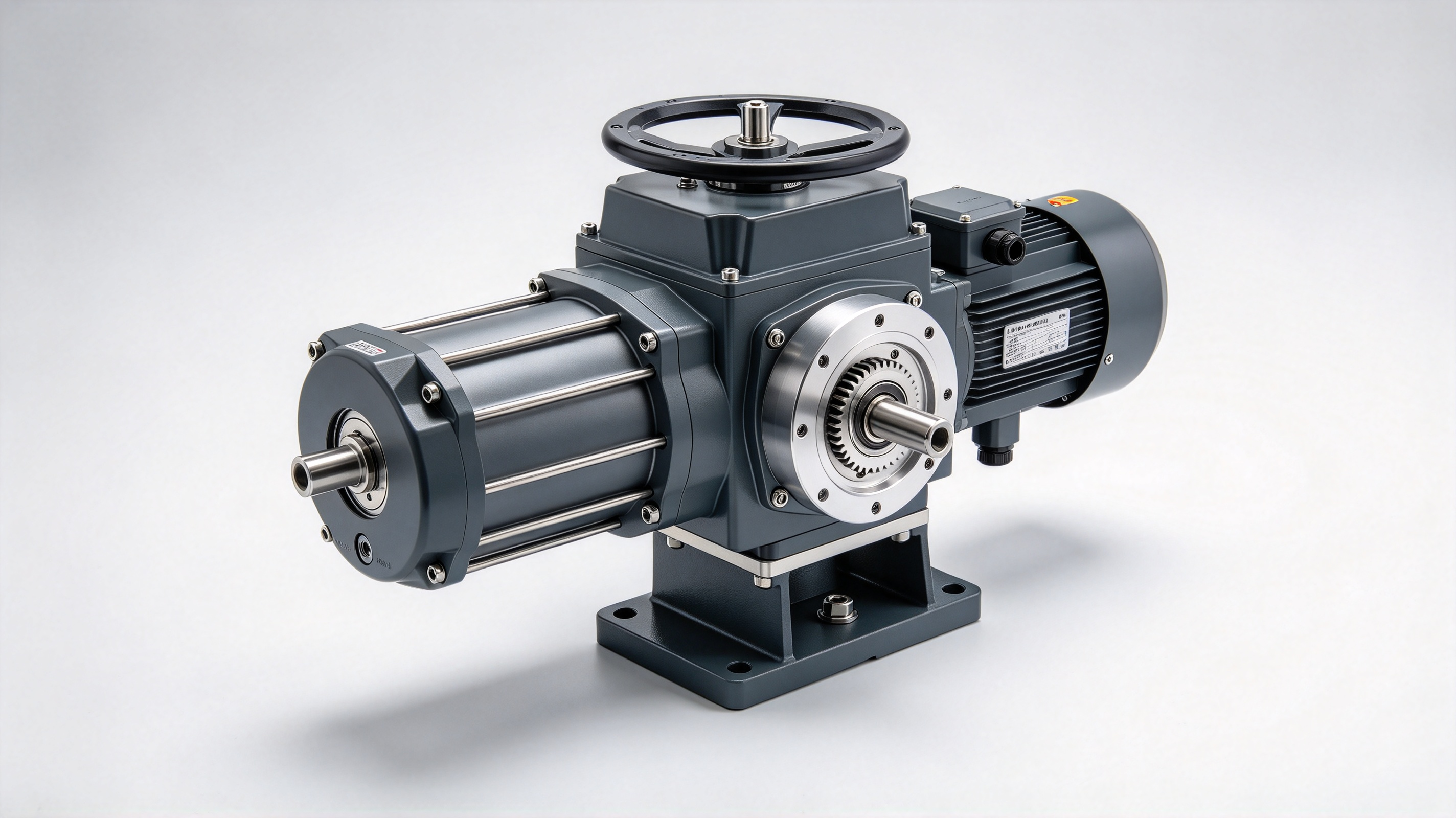
Dust can impede heat dissipation and increase transmission wear in electric actuators. Select appropriate dust protection and maintain clear cooling paths and transmission lubrication as required by the manufacturer.
Available installation space
A pneumatic solution may require space for a compressor, air receiver and other air-supply equipment. Cylinder size and accessory layout can also constrain installation in confined locations.
Electric actuators do not require an air-supply unit and can simplify installation in confined spaces. Check motor and gearbox dimensions, mounting position and access for operation and maintenance.